How Much Does a Wireless Dog Fence Cost?
A wireless dog fence costs the most when you pick a GPS collar with a monthly plan. A radio fence system runs as a one-time buy, while a GPS fence like the Halo Collar 5 needs a membership to turn on its fence and tracking features.
On this page (9 sections)
- What makes up the cost of a wireless dog fence?
- Radio fence vs GPS fence: which costs less over time?
- How much area does each system cover for the money?
- What do extra dogs add to the bill?
- Which wireless fence is best for a large dog?
- How much does setup cost if you do it yourself?
- What should you budget for the collar and battery replacements?
- Is a GPS collar membership worth the added cost?
- What is the real cost of owning a wireless dog fence?
How much does a wireless dog fence cost? The price depends on the type you pick, not just the brand.
A radio fence kit is a one-time buy with no plan, while a GPS collar like the Halo Collar 5 needs a paid membership before its fence and tracking features switch on.
That split is the main thing to know before you shop. One option charges you once for a transmitter and collar.
The other charges less up front for the hardware and more over time for the service that runs it.
What makes up the cost of a wireless dog fence?
Hardware is the base cost, and a subscription is the add-on some systems require. A radio fence kit includes a transmitter that plugs into an outlet and a receiver collar your dog wears.
A GPS fence pairs a smart collar with an app and a data plan.
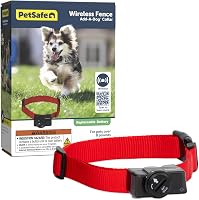
The PetSafe Wireless Dog Fence is a full kit. It ships with a transmitter and power adapter, a receiver collar, training flags, a test light tool, long contact points, and a contact point wrench.
Nothing else is required to create a boundary.
The Halo Collar 5 works differently. The collar is the fence, and Halo says a membership is required to activate GPS and fence features.
Your plan turns on tracking, cellular data, virtual fences, training guidance, live support, and activity reports. Budget for that plan as part of the total.
So the honest answer is: one system is a single purchase, and the other is a purchase plus a service you keep paying for. Decide which model fits your budget before comparing brands.
Radio fence vs GPS fence: which costs less over time?
A radio fence usually costs less over time because there is no monthly plan. You buy the kit, set it up, and the only repeat cost is a collar battery when it runs down.
A GPS collar trades that for a subscription that never goes away while you use it.
The PetSafe Wireless Dog Fence makes the radio case well. Its collar battery lasts up to 2 months before a low battery indicator reminds you to replace it, using the PetSafe RFA-67D-11 battery.
That is the entire running cost in normal use.
The Stay & Play Compact goes further. Its receiver collar is rechargeable and waterproof, so there is no disposable battery to buy.
It fits dogs 5 lb and up and adjusts to neck sizes 6–28 in.
A GPS fence flips the math. The Halo Collar 5 includes GPS tracking and activity insights, but the membership is what turns those on.
If you want the tracking and the virtual fences, the plan is not optional. Over a few years, that plan is the larger share of the total.
How much area does each system cover for the money?
Radio kits cover a fixed circle from the transmitter, while a GPS collar covers whatever boundary you draw in the app. That difference changes how much fence you get per dollar in a big or oddly shaped yard.
The PetSafe Wireless Dog Fence covers up to 1/2 acre in a circle from where you place the portable indoor transmitter. The adjustable dial goes from 5 to 90 ft in all directions, or up to 180 ft across.
You can expand coverage with an additional transmitter.
The Stay & Play Compact reaches up to 3/4 acre in a circle, set from 22–105 ft in all directions. Its LCD display shows how far the play area expands and warns you if something is wrong with the system.
A GPS collar has no fixed circle to buy. Halo says its fences can be placed anywhere and are not limited by geography or obstacles that block a wire.
For a long, narrow lot or a property with a house in the middle, that flexibility is what you're paying for.
What do extra dogs add to the bill?
Extra dogs mean extra receiver collars, and that is the biggest add-on cost for most homes. One transmitter can run several collars, so you don't buy a second kit.
You only add a collar for each dog.
PetSafe spells this out for its radio system. With additional PetSafe Wireless fence collars, a single Wireless Containment System contains an unlimited number of pets.
The transmitter stays put and each dog wears its own receiver.
That makes multi-dog budgeting simple: one kit plus one collar per extra dog. If you have several dogs, compare how each kit handles extra collars in our guide to the best wireless dog fence for multiple dogs.
For a GPS system, the plan structure matters more than the collar count. Check what a membership covers for each dog before you assume one plan fits the whole household.
That is where multi-dog costs can climb.
Which wireless fence is best for a large dog?
A large dog needs a collar that fits and a boundary that holds, so the receiver fit matters as much as the kit price. An ill-fitting collar is a false saving.
It either slips or sits too tight and the dog won't wear it calmly.
The PetSafe Wireless Dog Fence collar is waterproof and fits small, medium, and large pets 8 lb and up. It adjusts to neck sizes 6–28 in and works with all PetSafe Wireless Fence transmitters.
That range covers most large breeds without a special order.
The Stay & Play Compact collar fits dogs 5 lb and up and also adjusts to 6–28 in. It is rechargeable and waterproof, so a big dog that loves wet grass is not a problem.
If you have a giant breed or a dog with a thick neck, measure before you buy and check the fit against the 28 in top end. Our guide to the best wireless dog fence for large dogs compares collars by fit and boundary strength.
How much does setup cost if you do it yourself?
Setup is free if you do it yourself, and the radio kits are built for that. There is no wire to buy and no trench to dig, so the labor line on the budget is your own afternoon.
PetSafe says its wireless fence sets up in just a few hours. The kit includes training flags and a test light tool, so you can mark the boundary and check the collar's warning zone without hiring anyone.
The portable transmitter means you can move the whole setup to a vacation home or campsite with an outlet.
The Stay & Play Compact also sets up in 1–2 hours. Place the transmitter indoors, plug it in, and adjust the range on the display.
The screen shows you the size of the play area as you go.
That is where the do-it-yourself saving comes from. A wired in-ground fence needs wire, a trencher or a lot of digging, and often a professional install.
A wireless kit skips all of that. Follow our step-by-step guide on how to set up a wireless dog fence to keep the first day smooth.
What should you budget for the collar and battery replacements?
Budget for the receiver collar as part of the kit, and for batteries or charging over the years. The collar is the part your dog wears every day, so its power source is the recurring cost to plan for.
The PetSafe Wireless Dog Fence uses a replaceable battery that lasts up to 2 months. The kit includes the batteries, and the low battery indicator tells you when to swap in a new PetSafe RFA-67D-11.
That is a steady, small cost across the year.
The Stay & Play Compact uses a rechargeable lithium-ion battery that is built in and not replaceable. You charge the collar rather than buy batteries, so the running cost is your electricity.
If you ever need a replacement collar for either PetSafe kit, buy the matching receiver so it works with your transmitter. Our guide to the best dog collar for invisible fence covers compatible collars and what to check before ordering.
Is a GPS collar membership worth the added cost?
A GPS membership is worth it when you need tracking and fences beyond a fixed circle. You pay for location accuracy, alerts, and the ability to draw boundaries anywhere.
If you only need a simple circle in one yard, a radio kit does the same job for less.
Halo says its Collar 5 combines dual-frequency L1 and L5 satellites with real-time ground-station corrections. Halo claims GPS accuracy within 2 feet of your dog's location.
It updates location 20 times per second over Wi-Fi, Bluetooth, and cellular, and you can store multiple fences.
Those features are what the membership buys. You get instant phone alerts if your dog approaches or crosses a boundary, plus real-time tracking in the app.
For rural properties, hiking trails, or a dog that travels with you, that coverage is hard to match with a circle-based radio kit.
The trade-off is the plan. The collar's fence and GPS features only work with an active membership.
Price that plan into your yearly budget before you decide the hardware is the whole cost. For most single-yard homes, a radio kit is the cheaper path.
For wide-open spaces, the plan earns its keep.
What is the real cost of owning a wireless dog fence?
Most homes spend the most at the start on a radio kit and almost nothing after, while a GPS collar spreads the cost across a monthly plan. Pick the model that matches how you use your yard, then budget the extras.
The PetSafe Wireless Dog Fence is the best fit for a single yard and a simple circle. It is a one-time kit with a battery that lasts up to 2 months and no plan to renew.
The Stay & Play Compact suits a slightly larger circle, up to 3/4 acre, with a rechargeable collar and an LCD that shows the range.
The Halo Collar 5 is the pick when you need tracking and boundaries beyond one circle. Just price the membership into the total, because the fence and GPS features need it to work.
For a plain backyard, the radio kits answer the cost question with a single purchase. For travel and wide-open land, the GPS plan is the cost you accept for the flexibility.
Frequently asked questions
How much does a wireless dog fence cost to run each month?
A radio fence like the PetSafe systems has no monthly fee; you buy the kit and replace collar batteries when needed. The Halo Collar 5 needs a Halo membership to turn on GPS tracking and fences, so its ongoing cost is the plan you choose after buying the collar.
What adds to the cost besides the kit?
Extra receiver collars for more dogs, replacement batteries, and a longer coverage area all raise the total. A larger yard may need another transmitter, and a GPS collar needs a subscription, so plan those extras before you buy.
Is a wireless fence cheaper than a wired in-ground fence?
Usually yes, because there is no wire to buy or bury and no trenching labor. A radio kit or GPS collar covers a set circle or a mapped boundary without digging, which keeps the project to the kit and any extras you choose.
Do GPS dog fences have a monthly fee?
The Halo Collar 5 does. Halo requires a membership to activate GPS tracking, unlimited cellular data, virtual fences, training guidance, live support, and activity reports.
Radio systems like the PetSafe kits charge no monthly fee.
How much area does a basic wireless fence cover?
The PetSafe Wireless Dog Fence covers up to 1/2 acre in a circle from the transmitter. The Stay & Play Compact reaches up to 3/4 acre.
A GPS collar like the Halo Collar 5 is not tied to one circle, so it works on yards of many sizes.